Salvador – the Heart of Brazil
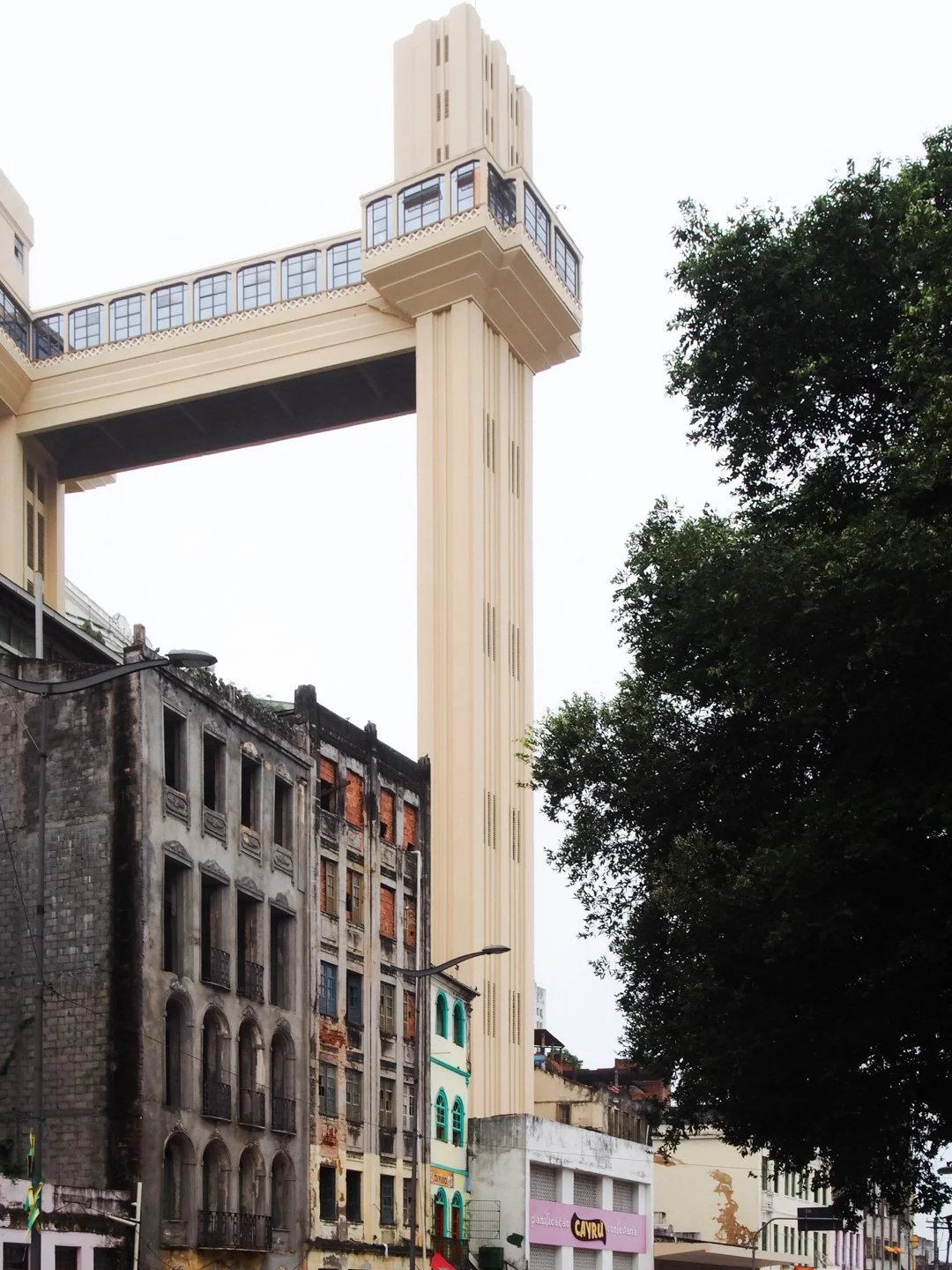
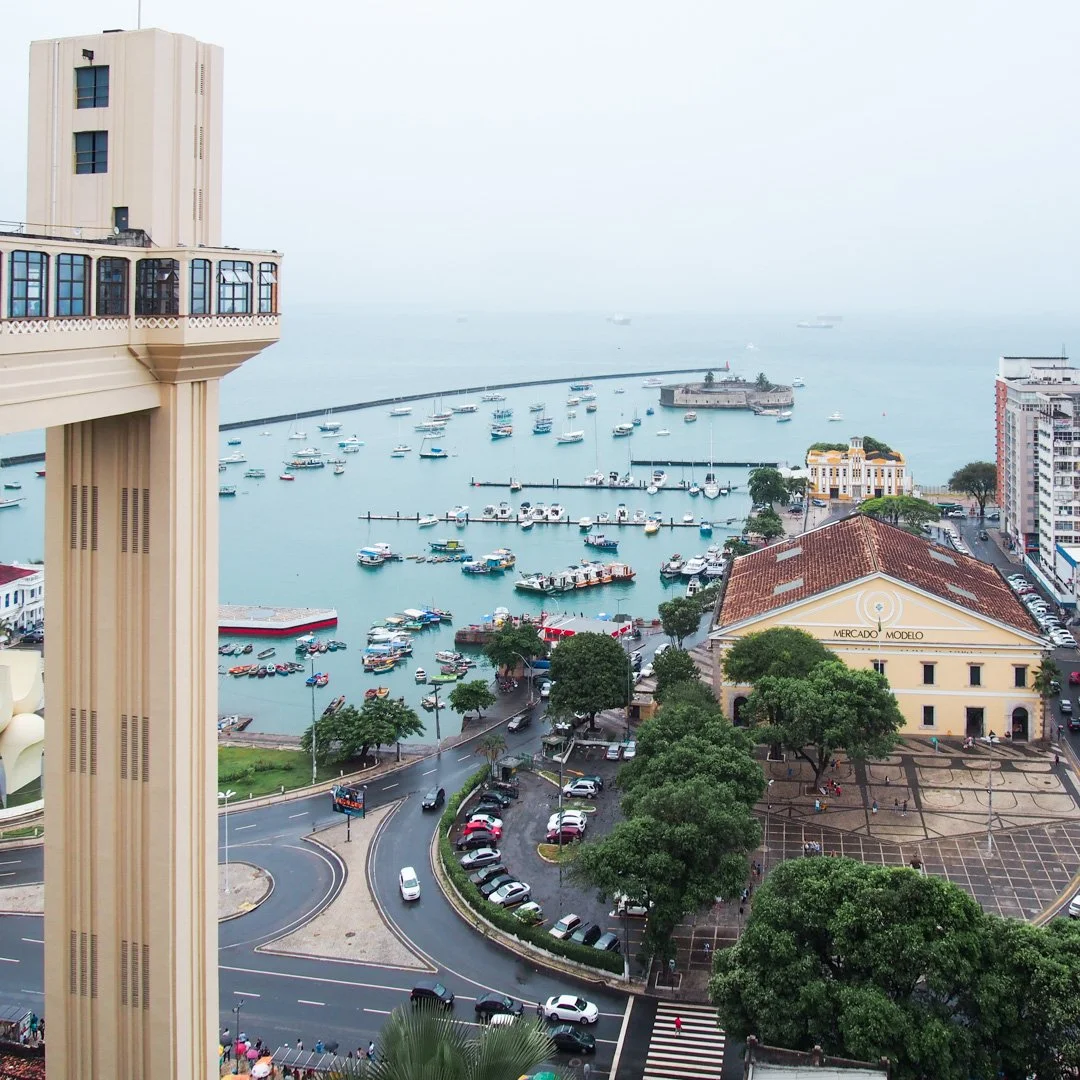
Salvador as a country in Central America is probably familiar to many, but far fewer people have heard much about the Brazilian city with the same name. As the capital of the state and a major city in eastern Brazil, Salvador is also home to a large port. The city itself sits on a hilly peninsula (with an elevator connecting the upper and lower parts of town) and for several hundred years it served as the country’s capital.
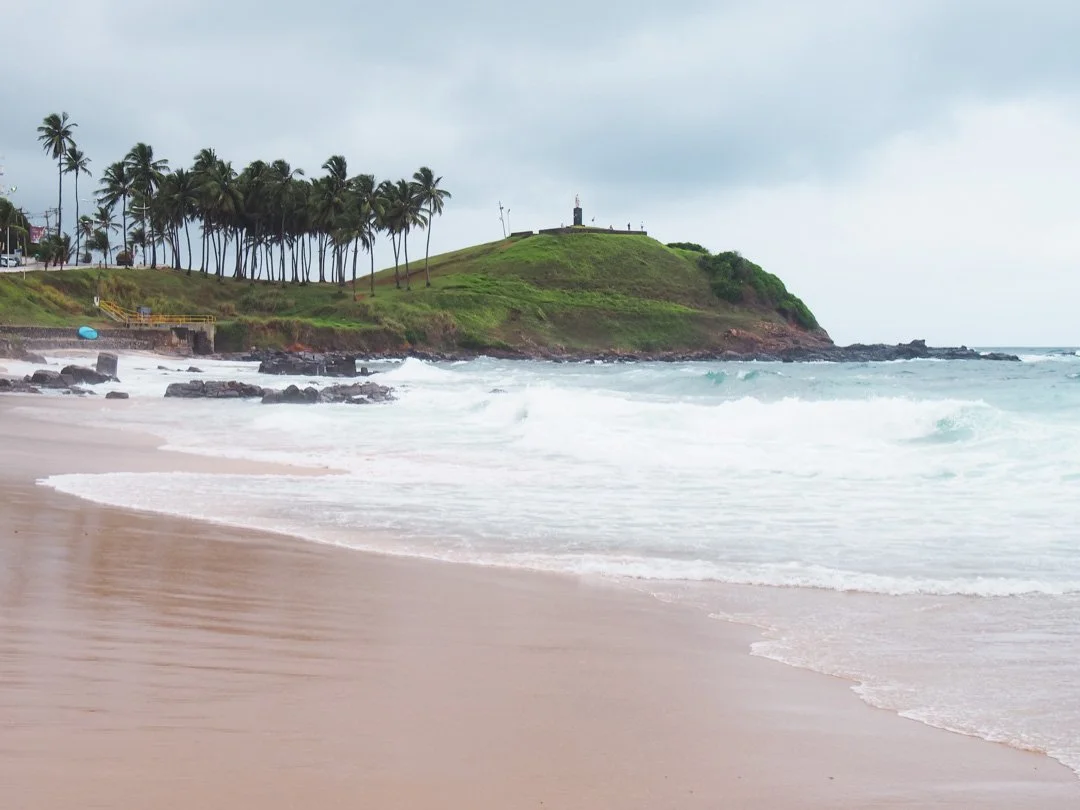
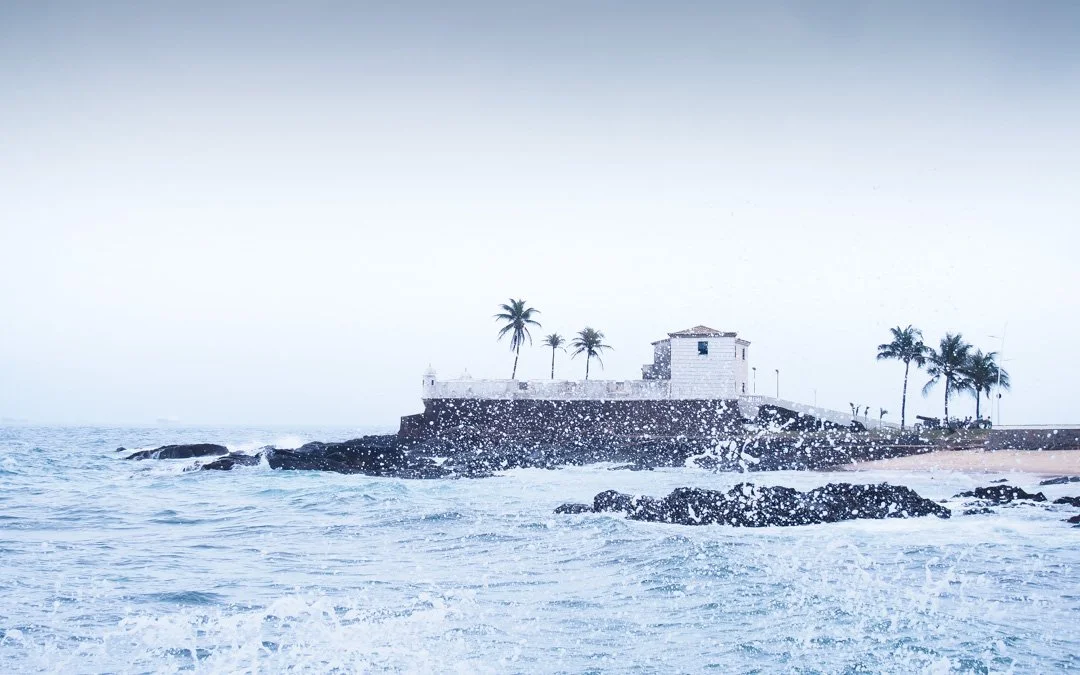
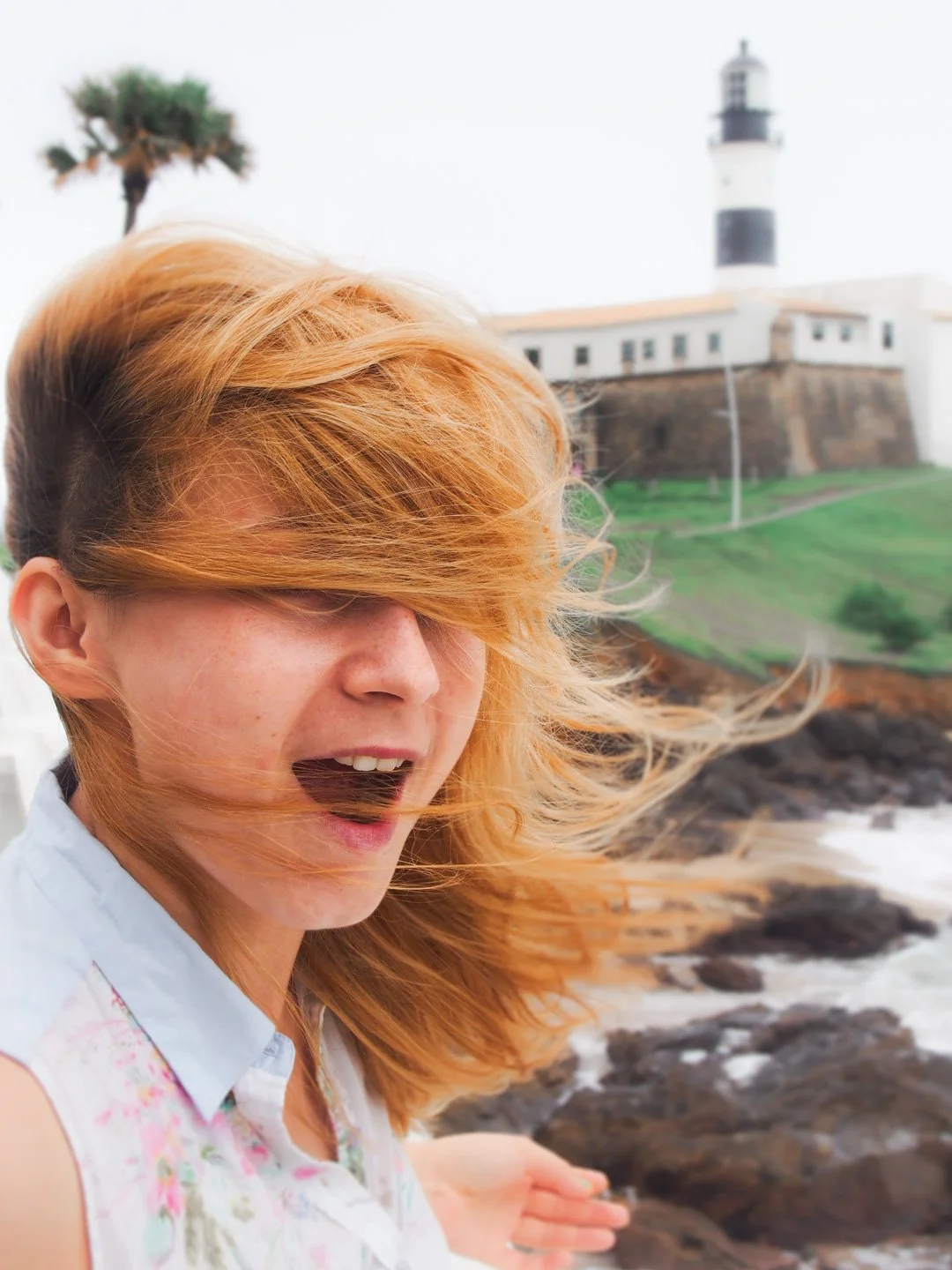
The hot, humid tropical climate practically begs you to go surfing in the ocean, along which you’ll find countless picturesque beaches. The deep blue of the churning water, paired with the mystical fortress and the Barra lighthouse gives you both a sense of total freedom and a hint of mystery. Honestly, it’s the perfect place for a long stroll along the seaside promenade by the ocean ❤️
A Colonial Past
That said, the history of this place is marked by truly dramatic events spanning centuries. It was here, in Salvador, that the first enslaved people were brought to Brazil – and over time, millions more followed. The shameful legacy of those years is still visible today in the stark social inequality and ongoing safety issues.
As a result, the city is divided into areas that feel relatively safe and others you’re better off avoiding. For the first time in my life, I saw a real rifle pointed by a soldier at a man standing just a few meters away from me (yes, really!). This was where a local warned us that we had wandered into an area we really shouldn’t be in. A bit of extra awareness, however, will definitely allow you to fully appreciate the city’s undeniable charms. And if you’re interested in learning more about Salvador’s brutal history, a visit to the local Afro-Brazilian museum is a must.
The Capital of Brazilian Culture
The influence of African culture on Salvador – and on the entire state of Bahia – cannot be overstated. The city is the cultural hub of the region, and African inspirations are everywhere, even in everyday street life. This is also where Candomblé emerged – a religion blending African beliefs with Catholicism (baroque churches are scattered all across the historic center).
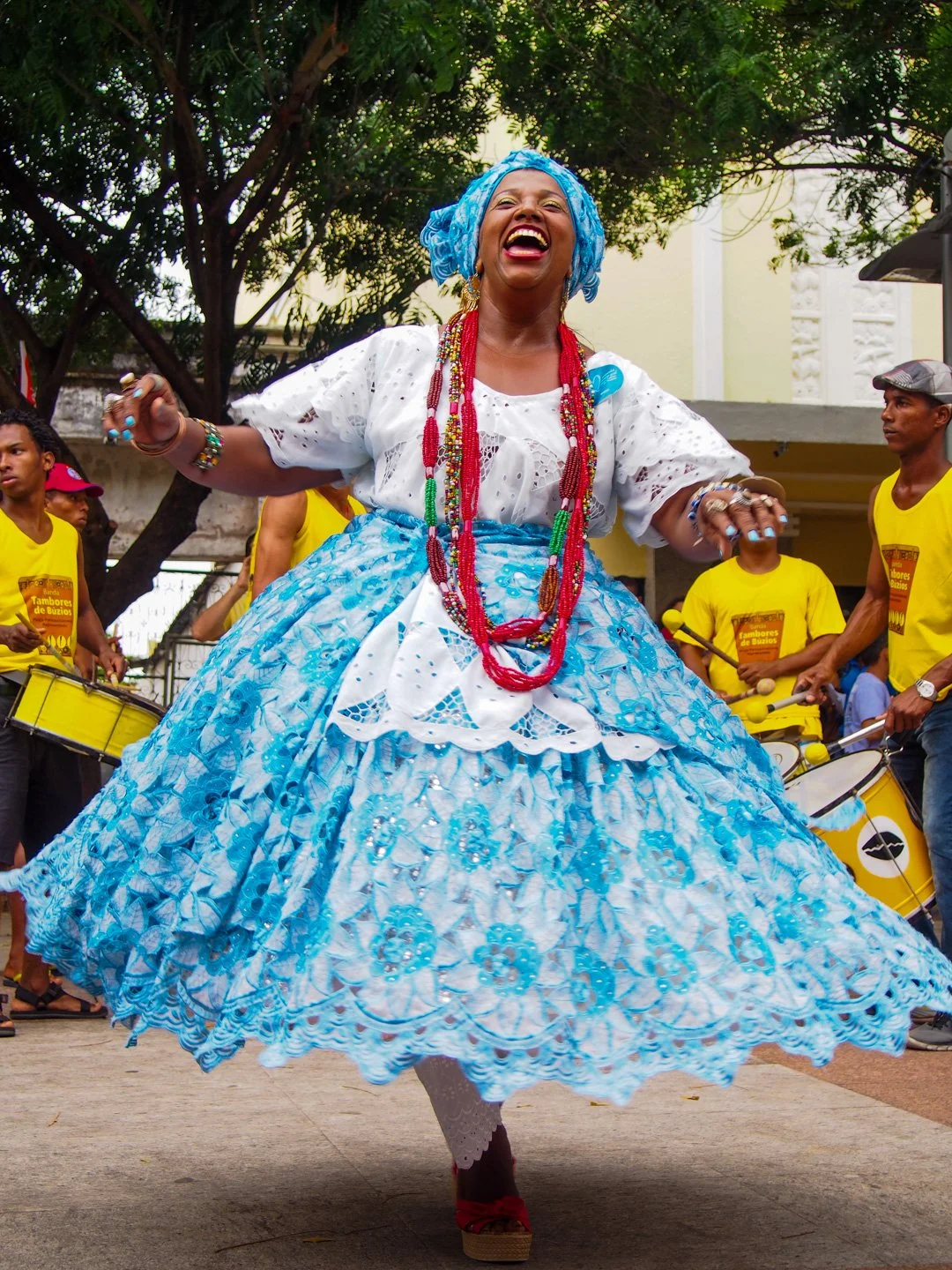
Salvador’s carnival is the largest street carnival in the world. Its rich culture is also reflected in Bahia’s incredibly diverse cuisine – supposedly the best in all of Brazil! Despite my truly awful dessert experience with something very misleadingly called “ambrosia” (do not recommend – raw egg yolk with uncrushed sugar crunching between your teeth, lol), the culinary scene here is genuinely amazing. From heavenly shrimp-and-banana moqueca to acarajé – deep-fried bean-dough balls sold on practically every corner ❤️ In centuries-old restaurants, women in traditional dress serve authentic dishes based on recipes preserved for generations
Pelourinho
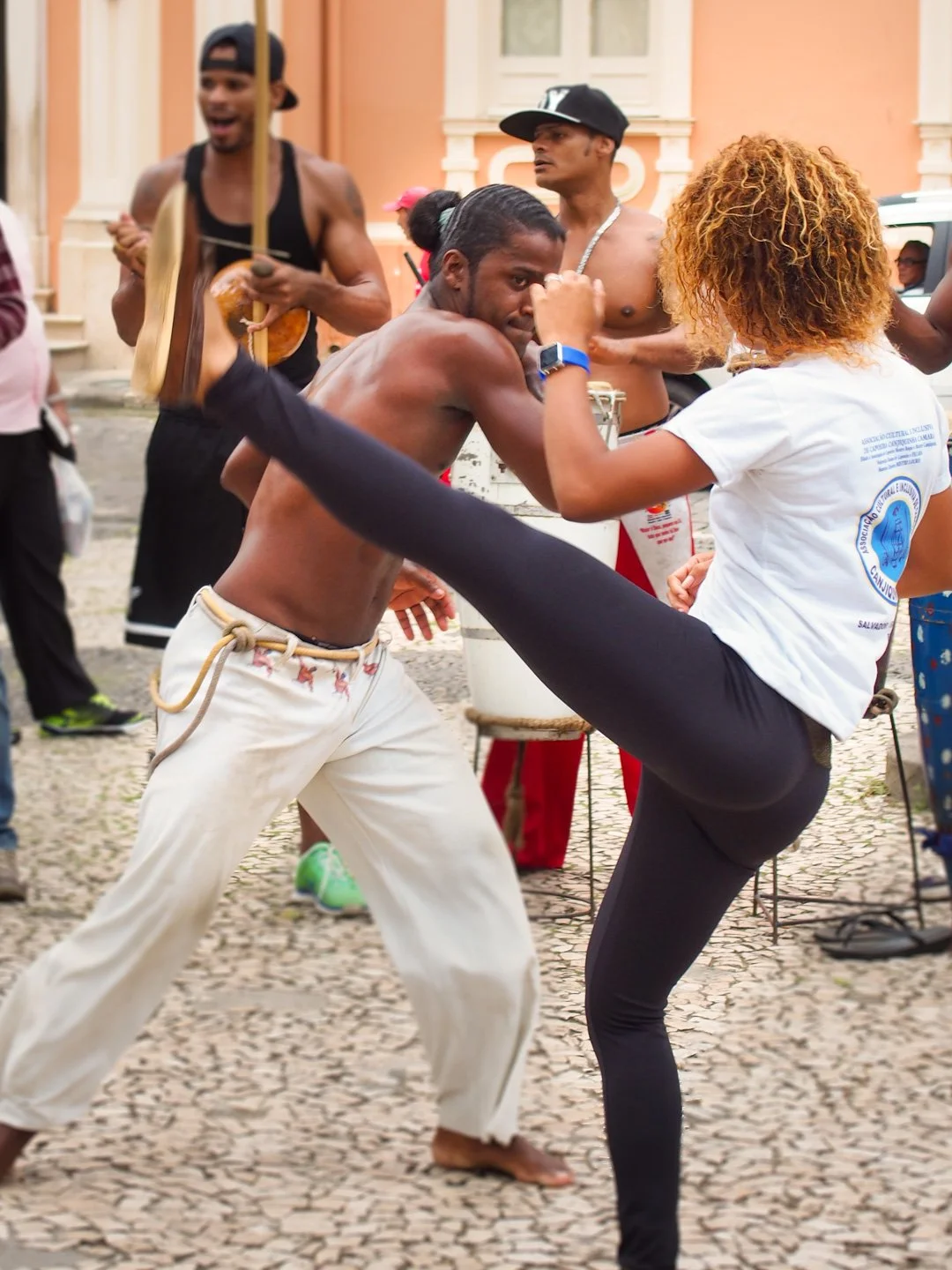
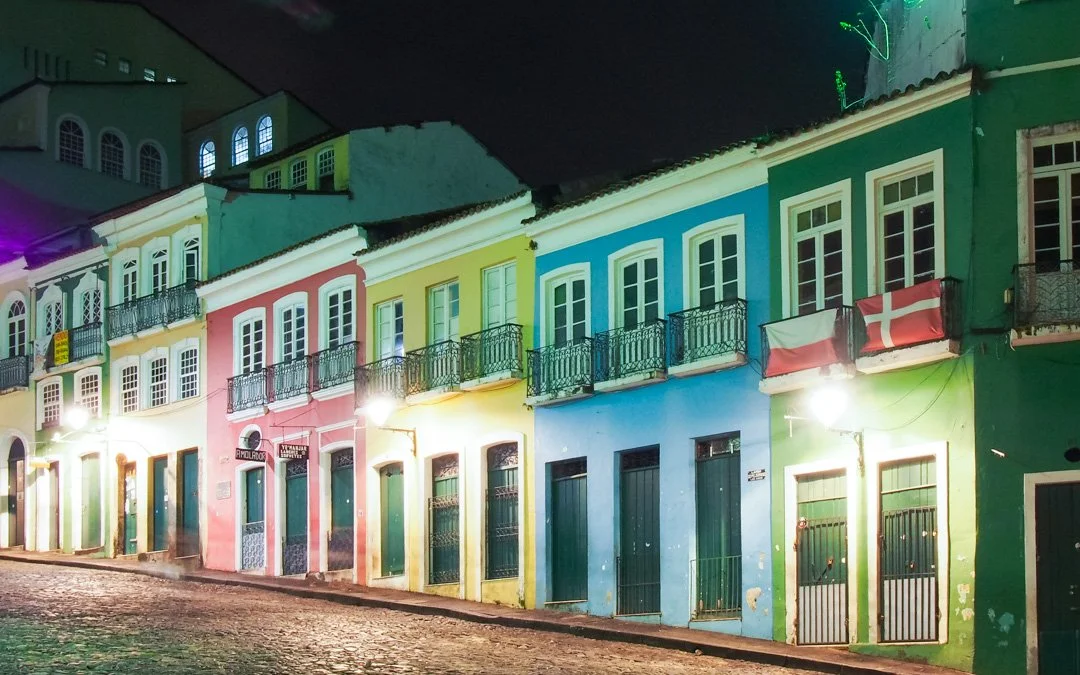
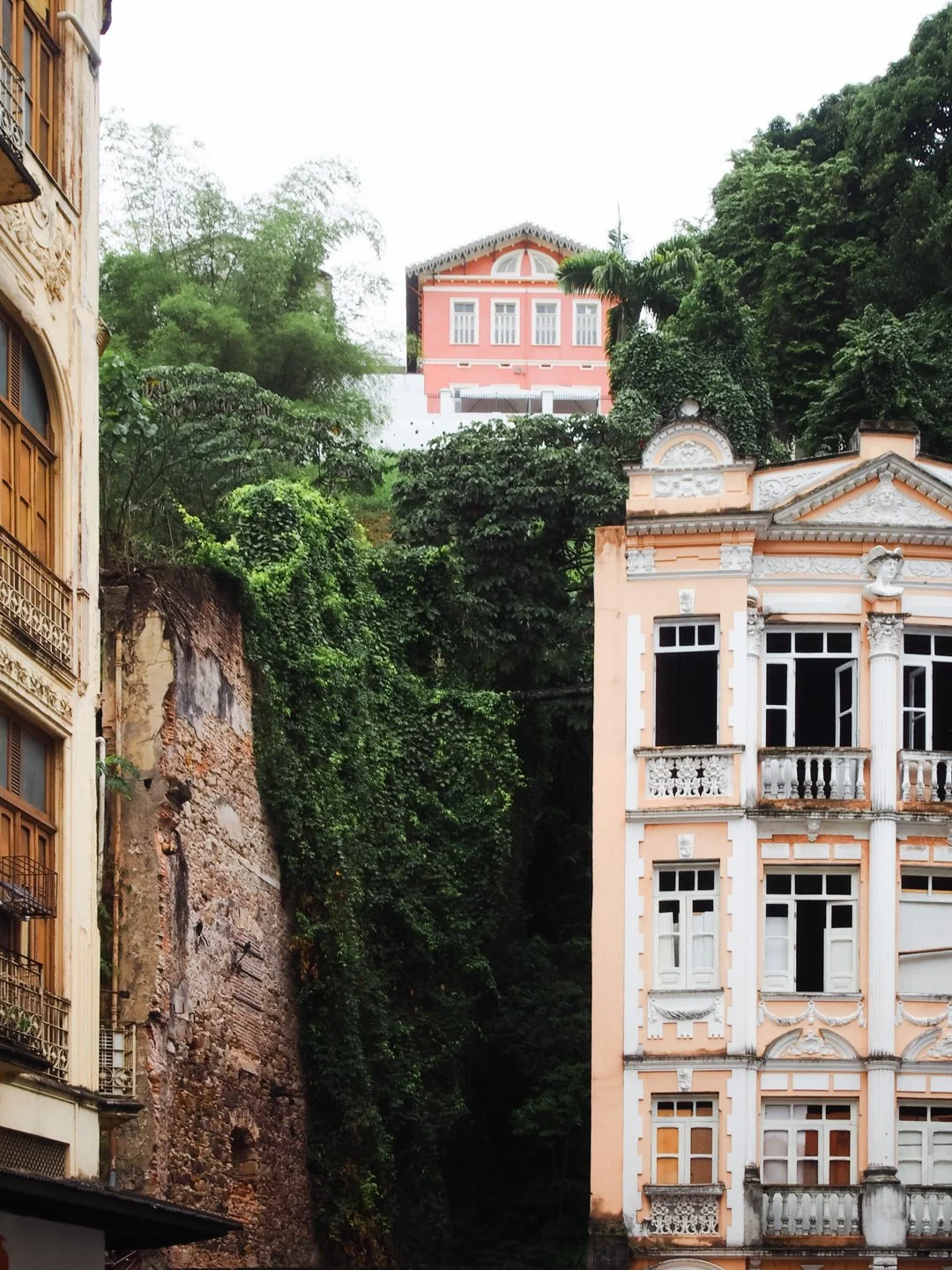
Pelourinho – literally “the pillory” (a place where enslaved people were punished) – is part of Salvador’s historic center. This is where enslaved people were brought and sold at the central market. The district has retained its original character, including its full historic urban layout. Located on a hill overlooking the port, it’s largely built around traditional cobblestone streets. Restoration of this part of the city began toward the end of the last century. After a break of several years, the process has now entered a new phase. Shortly after the abolition of slavery, Pelourinho’s central square began attracting artists, making it a cultural center as well. This is, after all, the birthplace of capoeira – a martial art that looks a bit like a dance and, unsurprisingly, has its roots in African culture. Capoeira performances can be admired daily during loud street parades full of colorful costumes, dancing, and traditional instruments. Salvador is practically woven together with dance and capoeira schools – it truly is the global capital of this art. The streets are alive for most of the day, and bars enchant with live music that people spontaneously sing and dance along to. Totally relaxed, totally unpretentious, regardless of age – pure magic! For safety reasons, Pelourinho is guarded not so much by police as by heavily armed soldiers. I highly recommend staying here overnight to really feel the soul of the city ❤️ And as a little extra incentive: this is where Michael Jackson’s “They Don’t Care About Us” music video was filmed 😉
Praia do Forte
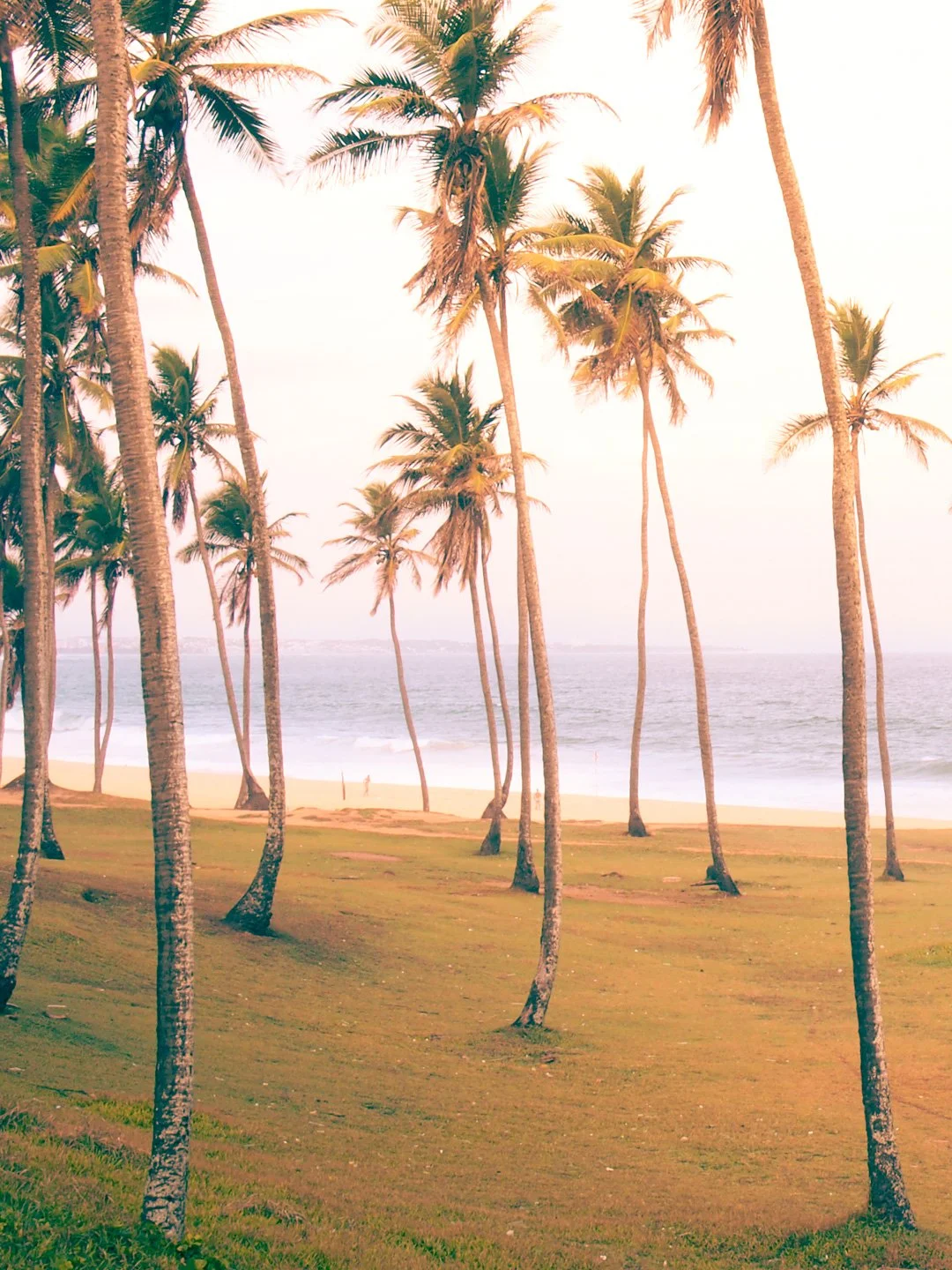
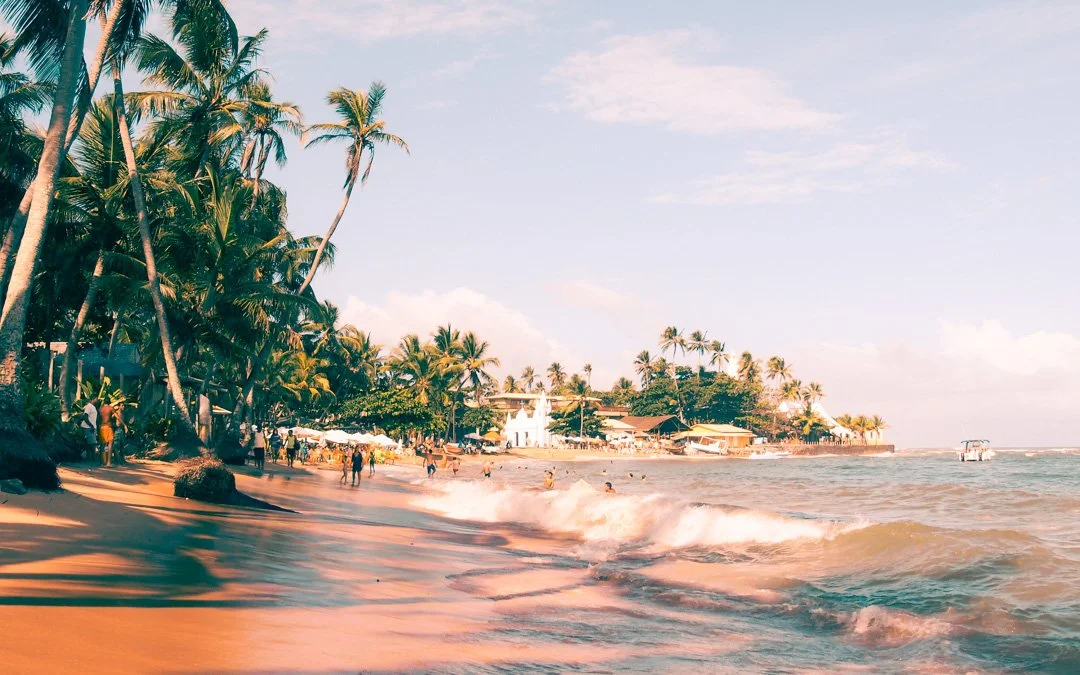
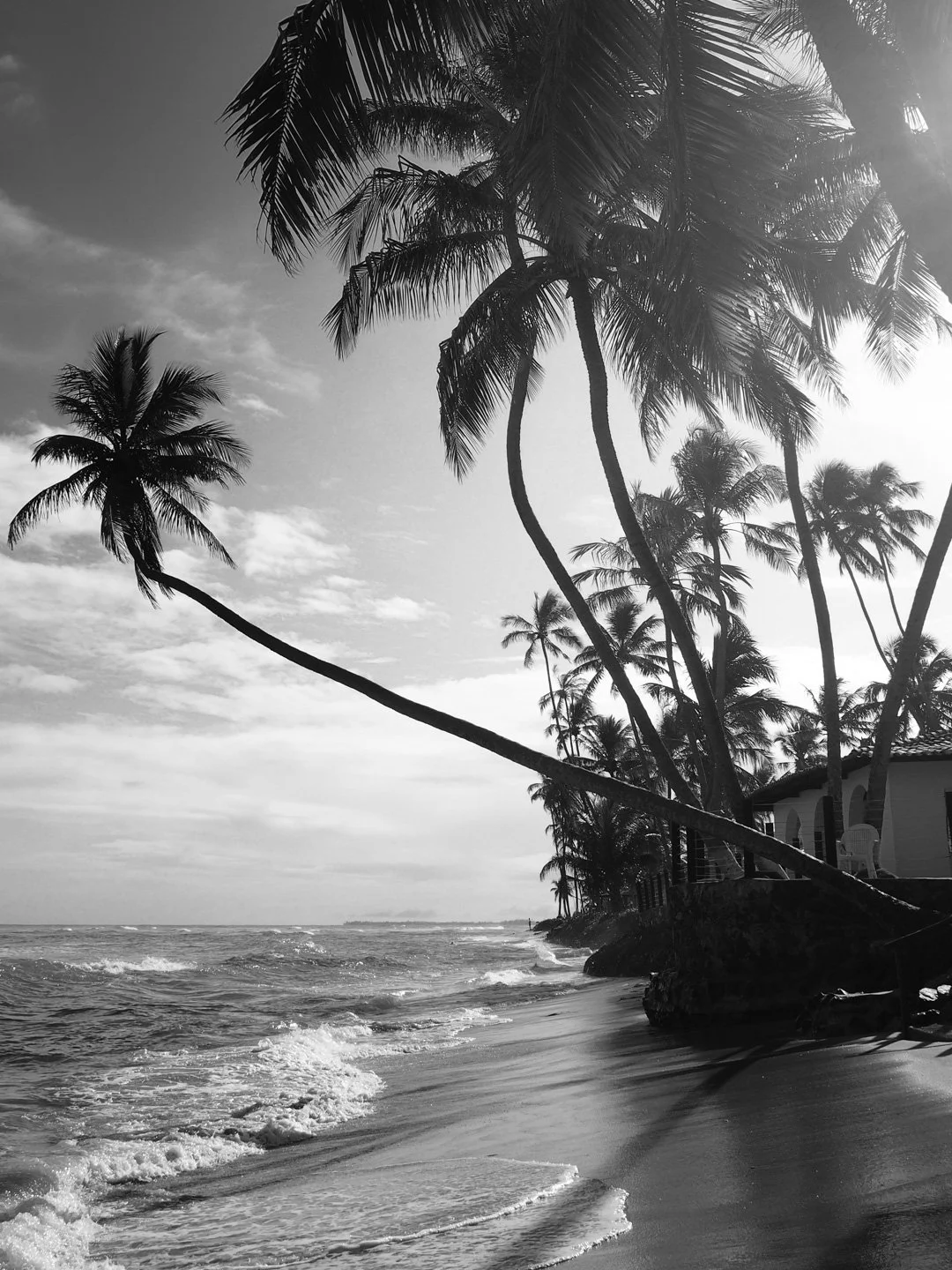
A small Brazilian village with a long golden beach by a crystal-clear ocean, surrounded by a dense palm forest – sounds like paradise? And rightly so, because it is ❤️ Exotic beauty in its most natural form, it’s a wonderful place both for beachside lounging and endless walks in scenery and colors straight out of your Brazilian travel dreams. With sunshine for most of the year and a gentle caipirinha or fresh coconut in hand, Praia do Forte feels like the perfect holiday spot for families with children. Right next to the lighthouse and church, you can also visit an amazing sea turtle reserve! And the local bus ride from Salvador to this little village? An adventure in itself 😉
I’m not sure Brazil needs much convincing as a travel destination, but Bahia is definitely the perfect choice for a first encounter with the country. Brazil is my absolute favorite place on Earth, and I’d love to show it to my children someday ❤️ If you need help planning a vacation in Brazil, feel free to reach out here 😉